Picking the right Inertial Measurement Unit (IMU) for your project isn’t just a technical decision — it’s pretty crucial, especially with how fast the industry’s moving forward thanks to cool tech like self-driving cars and smarter navigation systems. Did you know that MarketsandMarkets forecasts the global IMU market to hit around $17.83 billion by 2025, growing at a solid 10.8% annually? That’s a pretty big deal.
Here’s something interesting: Poseidon International Group based in Hong Kong has been pushing the boundaries of innovation since 2013. They focus on fancy stuff like fiber optic gyroscopes (FOG) and inertial navigation systems (INS). With their solid expertise in attitude and control systems, they really stress how important it is to pick an IMU that’s just right for your needs — making sure it performs well and stays reliable.
This guide? It’s designed to walk you through all the key factors so you can choose an IMU that lines up perfectly with what you’re aiming for in your project.
Understanding Inertial Measurement Units: Key Terminology and Technology Overview
Inertial Measurement Units, or IMUs, play a pretty crucial role in all sorts of fields — everything from flying planes to the gadgets we use every day. If you're trying to pick out the right IMU for your project, it’s really helpful to get a good grasp of the basic terms. At the core, an IMU has accelerometers and gyroscopes. The accelerometers track linear movement, kind of like how fast you're speeding up or slowing down, while gyroscopes measure how much you're rotating or spinning around. These sensors team up to give a full picture of motion, which is super useful for things like navigation, keeping devices stable, or controlling movement smoothly.
When you're shopping around or comparing different IMUs, it’s worth paying attention to a few key specs—things like measurement range, sensitivity, and bias stability. The measurement range tells you how much acceleration or rotation the unit can handle without messing up. Sensitivity? That’s about how tiny a change it can pick up—so if you need really precise data, it’s a big deal. And bias stability? That’s all about how consistent the sensor's readings stay over time, which is totally critical if you want accuracy in the long run. Plus, tech like sensor fusion algorithms can make these units even better by combining data from multiple sensors to give you more reliable motion info. Get a grip on these basics, and you’ll be way better equipped to choose an IMU that actually fits your project — no stress, just smart decision-making.
Evaluating Specifications: Accuracy, Drift Rates, and Sensor Fusion Techniques
When you're out picking an inertial measurement unit (IMU) for your project, it’s super important to look into things like accuracy, drift over time, and how well sensors work together—that mix is key. Usually, accuracy gets measured by bias and noise levels. A good IMU is gonna have low bias stability and minimal noise, which means the data you get is pretty reliable for whatever you're working on. Also, getting a handle on what units are being used—like degrees per hour for gyroscopes or g for accelerometers—can really help you figure out if that IMU is the right fit.
Drift is another big thing to keep in mind, especially if you need your measurements to stay precise over a long period. Basically, drift is when sensor output slowly starts to deviate from the actual true values, which can be a real pain. A solid IMU will have features to cut down on drift, like temperature compensation or clever calibration tricks. Plus, how the data from different sensors is combined—known as sensor fusion—can really boost overall performance. By blending info from accelerometers, gyroscopes, and magnetometers, these techniques can cover up the flaws of individual sensors, giving you more stable and accurate readings.
So, understanding these specs isn’t just technical mumbo jumbo. It’s your best bet for picking an IMU that truly fits your project’s needs.
Assessing Environmental Compatibility: Operating Temperature and Vibration Resistance
When you're picking out an Inertial Measurement Unit (IMU) for your project, it's pretty important to think about how well it can handle the environment it'll be used in. Things like operating temperature and resistance to vibrations can really affect how well it performs. Especially if you're working on something like autonomous vehicles or even aerospace projects, you'll want to make sure the IMU can handle tough conditions without missing a beat. For example, super cold or hot temperatures can mess with the sensor's accuracy and responsiveness, so it's smart to choose an IMU that's designed to work well within your specific temperature range.
**Tip 1:** Always double-check the manufacturer’s specs for the operating temperature limits. It’s a good way to make sure your IMU can handle whatever environment you’ve got planned.
**Tip 2:** Don’t forget about vibration resistance—this is crucial if your application involves a lot of movement or shocks. Look for models that show detailed vibration resistance data so you can trust they’ll stay precise no matter what.
Here at Poseidon International Group (Hong Kong) Limited, we’ve got loads of experience building top-notch inertial navigation systems and fiber optic gyroscopes. Our gear is made with tough environmental conditions in mind, so it performs accurately even in demanding scenarios. Picking the right IMU that matches your project’s unique needs can really boost the reliability and effectiveness of your entire system.
How to Choose the Best Inertial Measurement Unit for Your Project Needs
| Measurement Unit |
Operating Temperature (°C) |
Vibration Resistance (g) |
Environmental Rating |
| IMU Model A |
-40 to +85 |
20 |
IP67 |
| IMU Model B |
-20 to +70 |
10 |
IP65 |
| IMU Model C |
-40 to +125 |
30 |
IP68 |
| IMU Model D |
-10 to +60 |
15 |
IP64 |
Cost-Benefit Analysis: Balancing Performance and Budget for Your IMU Solution
So, when you're picking out an Inertial Measurement Unit (IMU) for your project, it’s pretty important to do a thorough cost-benefit check. Basically, you wanna find that
sweet spot
between what the device can do and what you’re willing to spend. Thanks to recent tech advancements, even consumer-grade MEMS-IMUs have come a long way—they can give you pretty accurate and reliable orientation data, especially if your application involves slow changes over short periods. If you throw in some advanced fusion algorithms, the whole setup can perform even better,
especially when you're combining multiple IMUs. That can really improve how you collect and analyze data, making a big difference in areas like rehab or gait analysis.
Plus, when you connect IMUs with force sensors, you get this cool, affordable portable system that can track walking patterns. That kind of info is super useful for diagnosing health issues or tracking how well someone is doing in rehab. One study even pointed out that using IMUs to recognize human activity can help manage musculoskeletal problems — which, by the way,
affect loads of people worldwide. Just a heads up, though: if you’re serious about choosing the right IMU, it’s smart to look into things like sensor noise and calibration errors. That way, you can pick a device that hits your performance needs without blowing your budget. At the end of the day, this stuff can lead to better health outcomes and make your project way more efficient.
Industry Applications: Choosing IMUs for Aerospace, Robotics, and Automotive Needs
So, when you're picking out an Inertial Measurement Unit (or IMU) for stuff like aerospace, robotics, or automotive projects, you really want to think about the key performance features that match what you’re aiming for. For example, in aerospace, the IMU needs to be super stable and accurate because it’s gotta handle all the tough conditions during a flight. Look for ones with low drift and high sensitivity—that way, your navigation and controls stay on point.
When it comes to robotics, flexibility is what matters most. You’ll want an IMU that’s lightweight but still sturdy enough to handle whatever your robot throws at it. It’s also a bonus if it plays nicely with different sensors—that can open up a whole bunch of possibilities, from industrial automation to self-driving cars.
And in the automotive world? Safety and dependability come first. An ideal IMU should be capable of crunching data in real time and tolerate faults well. It’s a smart move to choose models with sensor redundancy—so if one part fails, the system keeps running smoothly. Plus, advanced features like sensor fusion algorithms can really boost a vehicle’s stability and overall performance. All in all, these kinds of features are pretty much essential for modern automotive designs.

Future Trends: Innovations in IMU Technology and Their Impact on Project Selection
Hey there! Over the past few years, we've seen some pretty exciting stuff happening with MEMS (those tiny Micro-Electro-Mechanical Systems) and AI. They’re really shaking up the world of inertial measurement units (IMUs). Thanks to these tech leaps, IMUs are now smaller, way more affordable, highly integrated, and can do a bunch of different things. I recently came across a market report saying the global MEMS sensor market is expected to jump from around 10.4 billion USD in 2021 to over 20.4 billion USD by 2026 — that’s a compound annual growth rate of about 14.5%. Quite impressive! Most of this boom is fueled by the demand for super precise navigation and positioning, especially in things like smart cars and IoT gadgets.

Now, if you’re a project lead trying to bring some of this cutting-edge IMU tech into your designs, it’s definitely worth thinking about how these advancements can really boost your project’s performance. When choosing an IMU, look for ones that can sense across multiple axes and are reliable—you’d be surprised how important those features are, especially for apps like self-driving cars or medical devices.
Pro tip: When you’re picking out an IMU, spend a little time checking its specs on drift, bias stability, and overall accuracy. You want something that’s dependable in real-world conditions. Also, think about how well it can talk to other sensors and systems — a smooth integration can save you a ton of headaches later on!
Harnessing Precision: Exploring the Benefits of UAVs Navigation Digital BSD98 for Enhanced Flight Performance
Harnessing Precision: Exploring the Benefits of UAVs Navigation Digital BSD98 for Enhanced Flight Performance
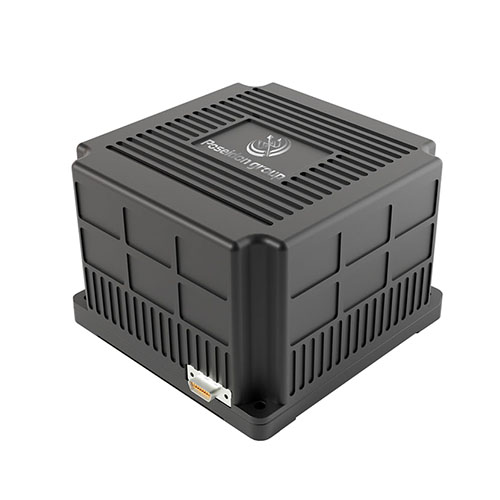
In the rapidly evolving world of unmanned aerial vehicles (UAVs), precision navigation is paramount to achieving optimal flight performance. The integration of cutting-edge technologies like the Poseidon BSD98 fiber optic gyroscope exemplifies how advancements in navigation systems can significantly enhance UAV capabilities. Featuring a robust digital closed-loop technology, the BSD98 is engineered to deliver exceptional zero-bias stability, ranging from 0.01°/h to 0.05°/h with 10 seconds of smoothing. This level of precision not only elevates flight accuracy but also enables UAV operators to execute complex maneuvers with confidence.
The compact design of the BSD98, measuring 98mm x 98mm x 35mm and weighing less than 470g, makes it an ideal choice for UAV applications, particularly in rugged environments. Its rapid startup time and wide dynamic range allow for immediate responsiveness in diverse operational scenarios. Additionally, the gyroscope's remarkable resistance to vibration and shock further ensures reliability in the field, making it suitable for high-precision inertial navigation systems and vehicle-mounted positioning. As UAVs continue to serve various industries, the Poseidon BSD98 stands out as a pivotal component that empowers enhanced flight performance and operational efficiency.
FAQS
: IMUs are devices that combine accelerometers and gyroscopes to measure linear acceleration and angular velocity, providing comprehensive motion data for various applications.
Important specifications include measurement range, sensitivity, bias stability, accuracy, drift rates, and the effectiveness of sensor fusion techniques.
The measurement range indicates how well the unit can handle different levels of acceleration and rotation.
Sensitivity determines the smallest changes in acceleration or rotation that the IMU can detect, impacting data reliability.
Bias stability refers to the accuracy of the IMU over time, with low bias leading to more reliable data collection.
Drift rates measure the gradual deviation of sensor output from true values over time, which can affect long-term precision in applications.
Sensor fusion techniques integrate data from multiple sensors to mitigate individual sensor shortcomings, providing more stable and accurate readings.
Accuracy is often measured in degrees per hour for gyroscopes and in g for accelerometers.
Temperature compensation helps minimize drift by accounting for temperature variations that can affect sensor performance over time.
Grasping specifications like accuracy and drift rates helps users make informed decisions, ensuring they select the best IMU for their specific project needs.

 TBSD60
 BSD120
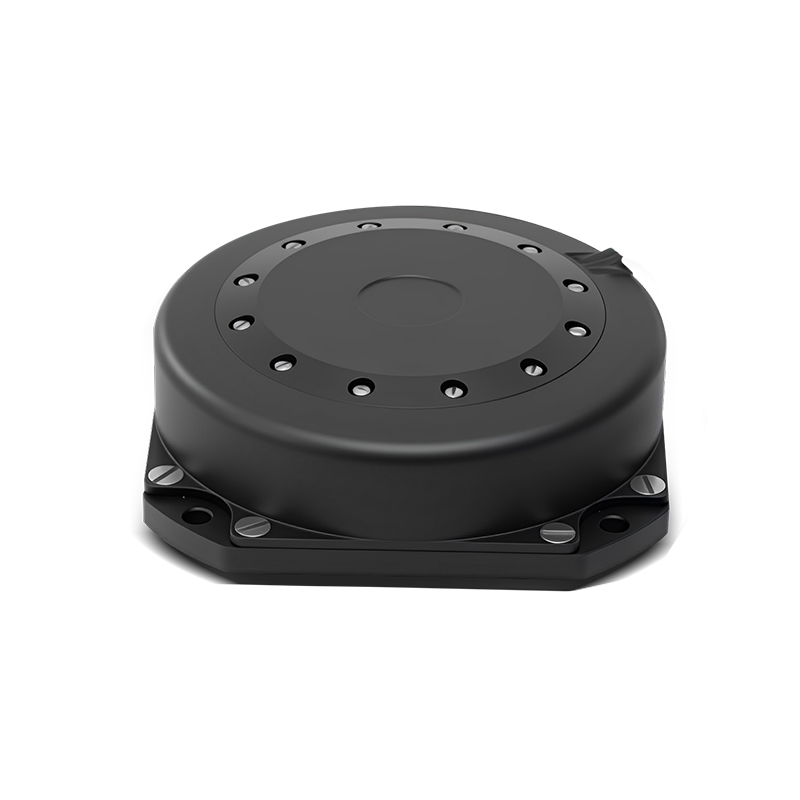 BSD98
BSD98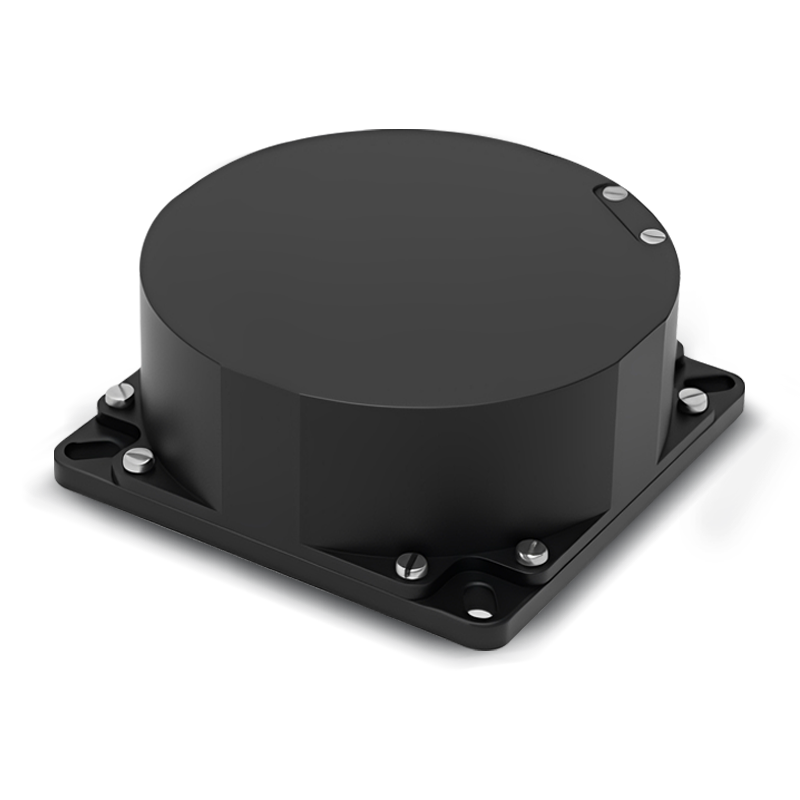 BSD70
BSD70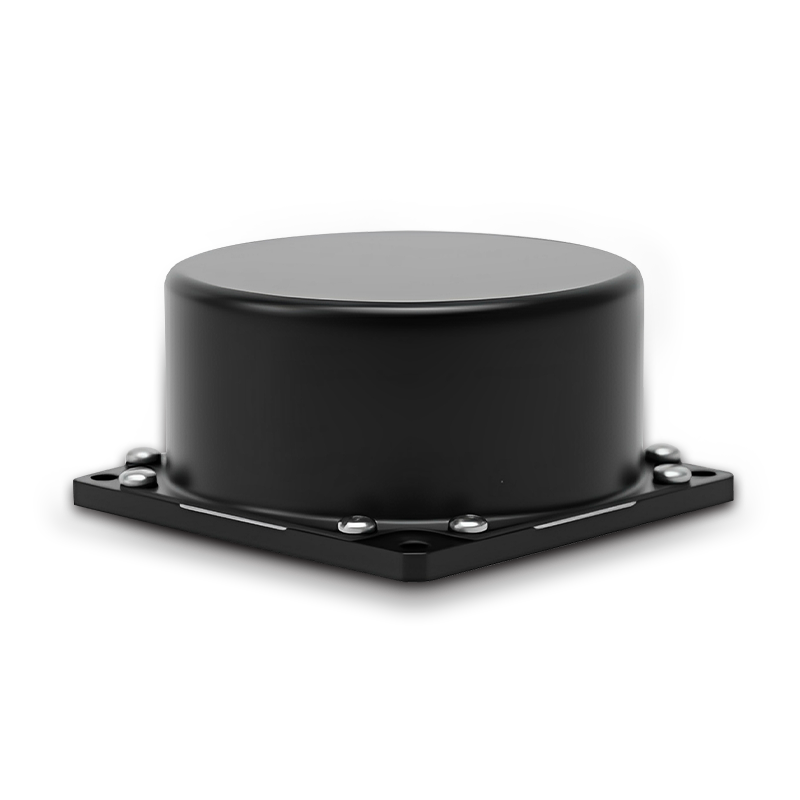 BSD60
BSD60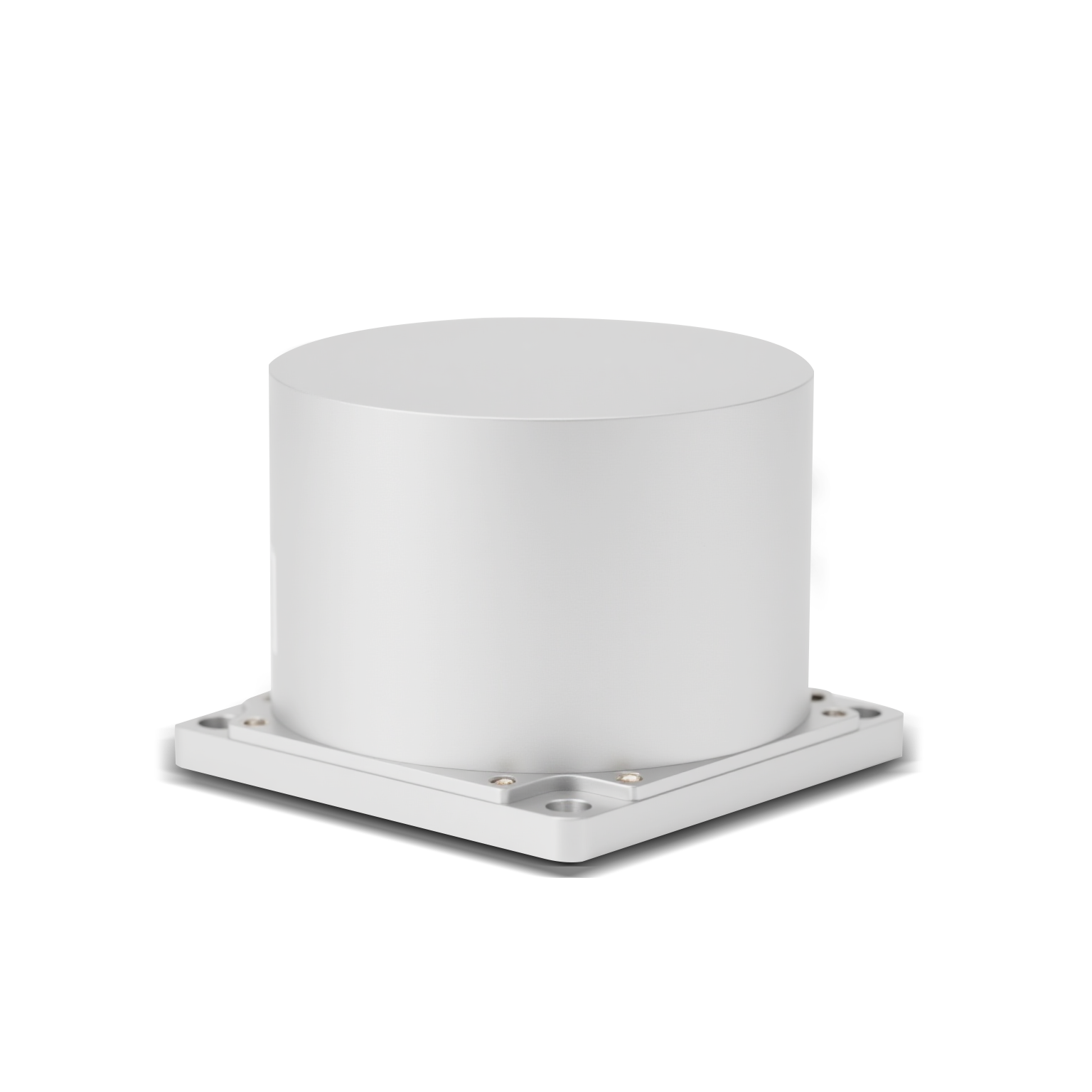 BSD50
BSD50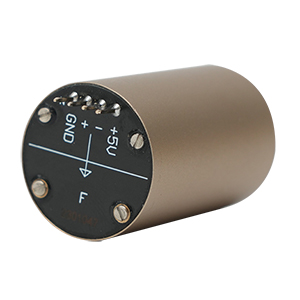 BSD217
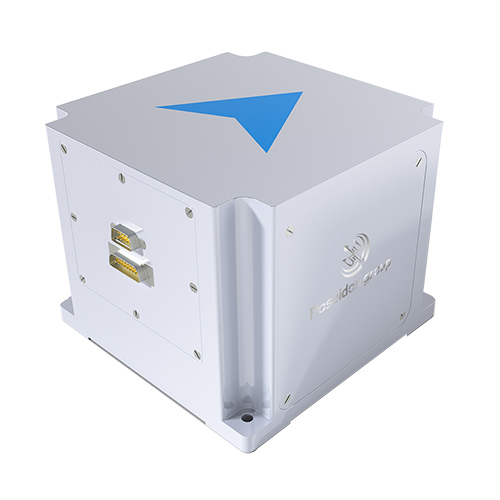 INS1700
 INS970
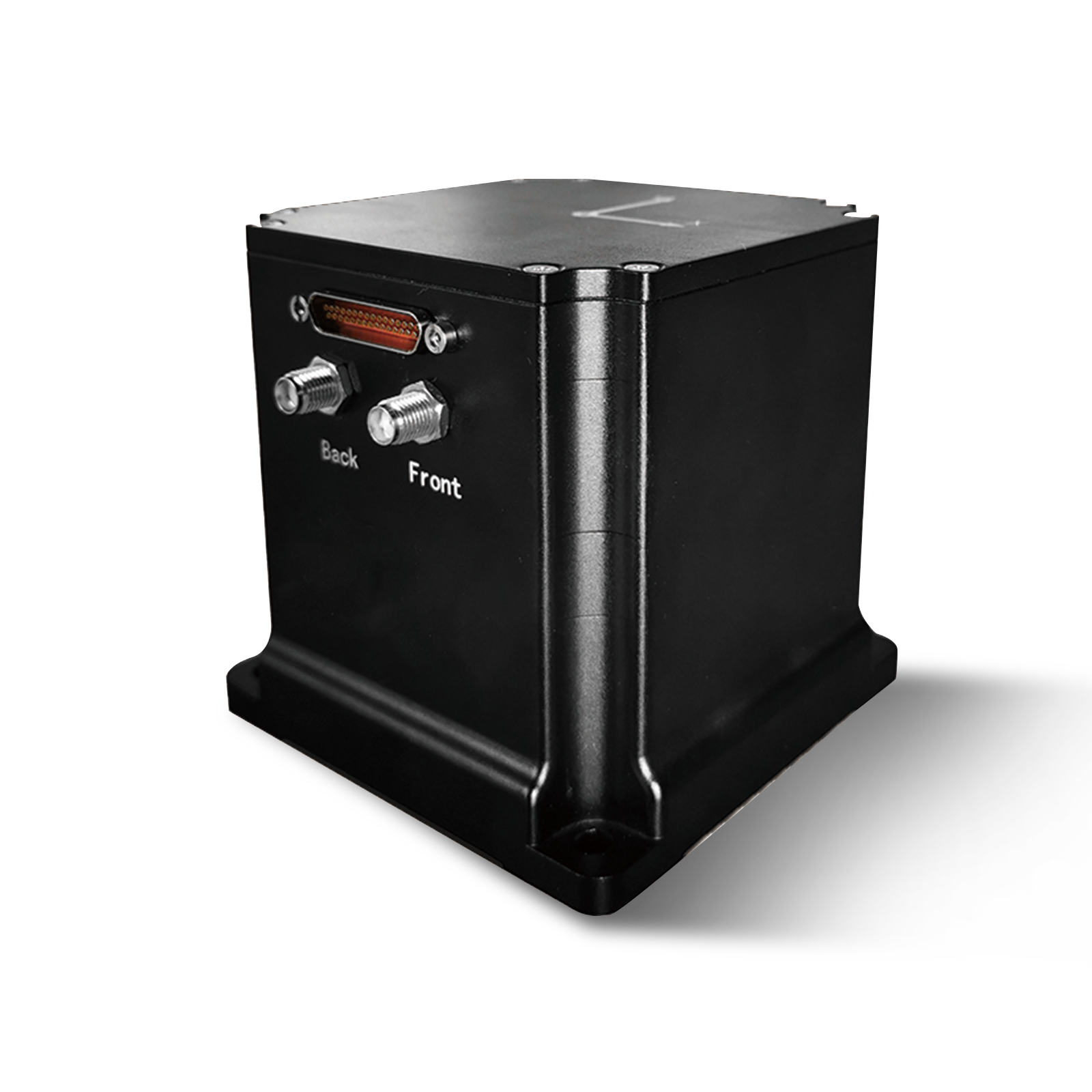 INS570
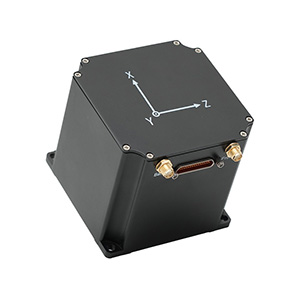 INS170
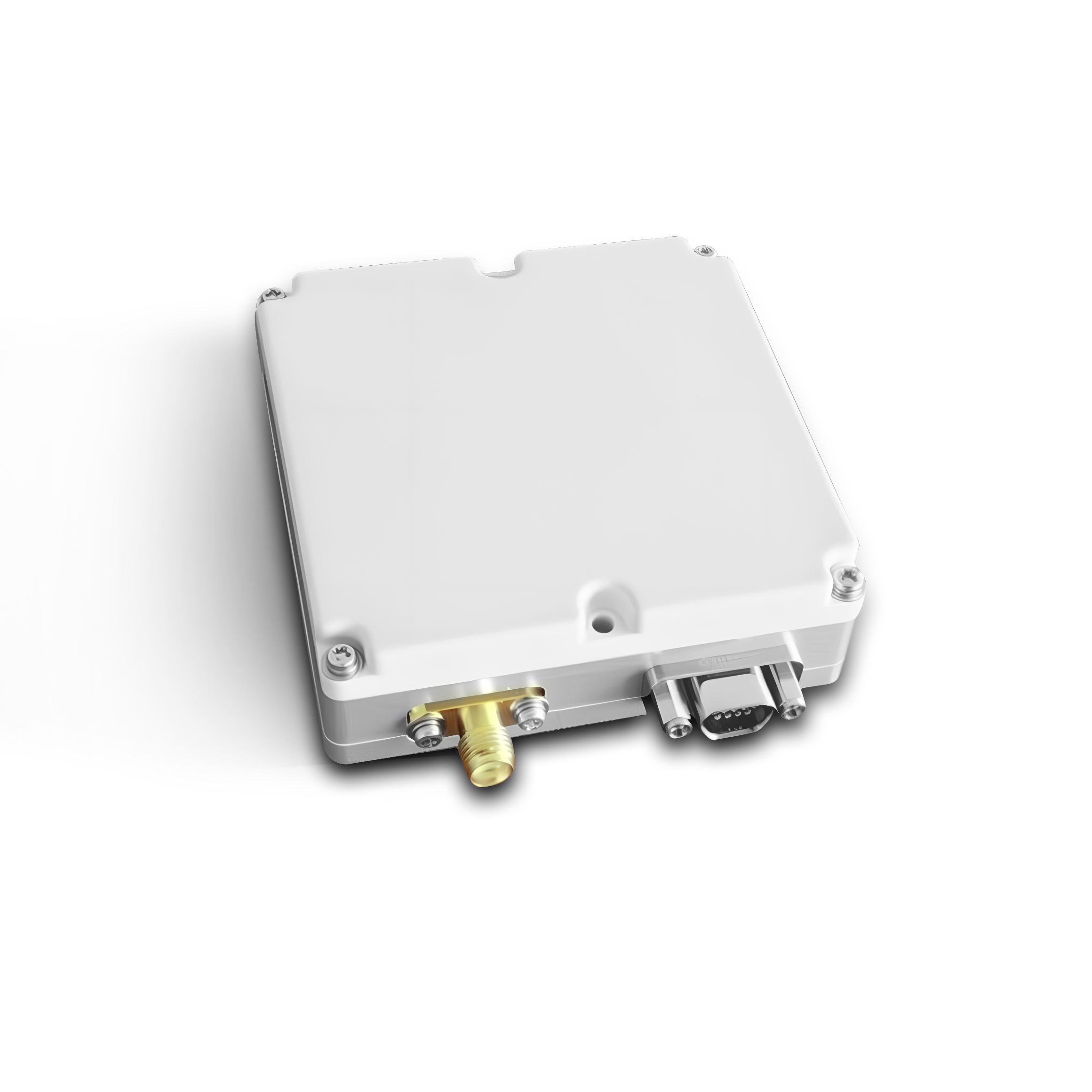 SLA-4B1L1-65
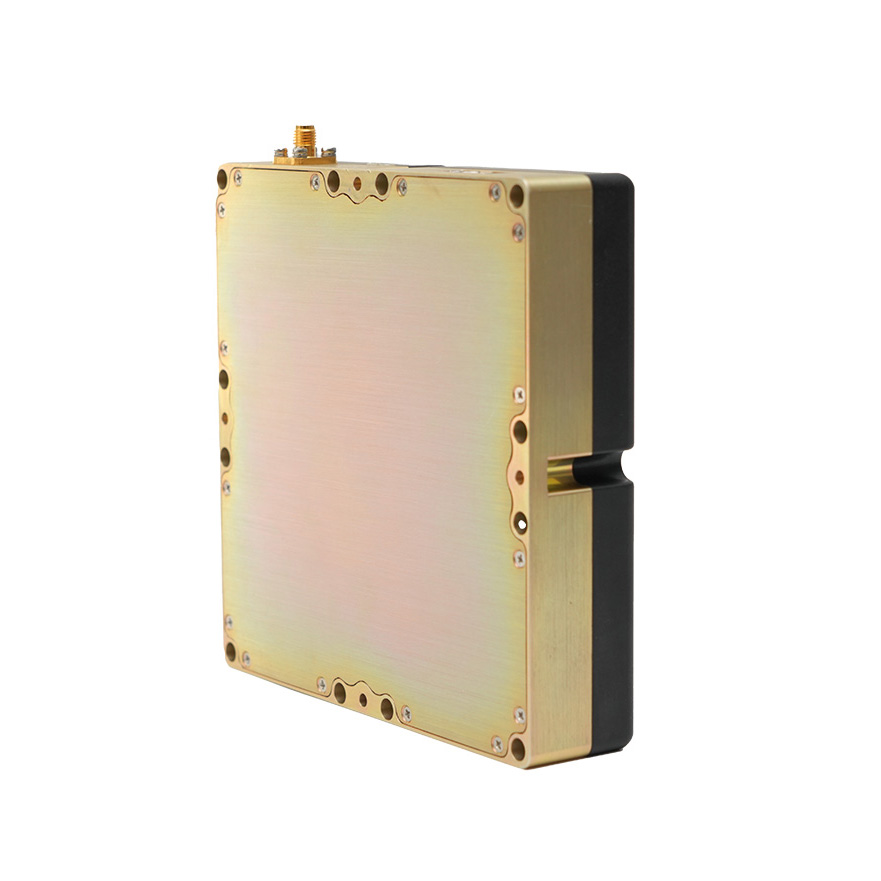 SLA-4B1L1-130
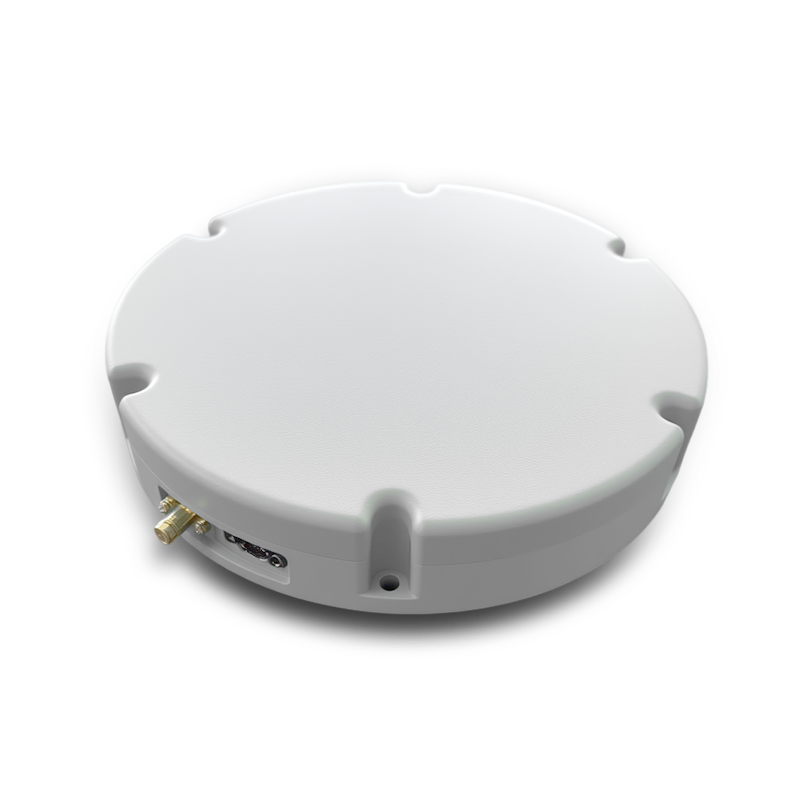 SLA-8B1L1-165
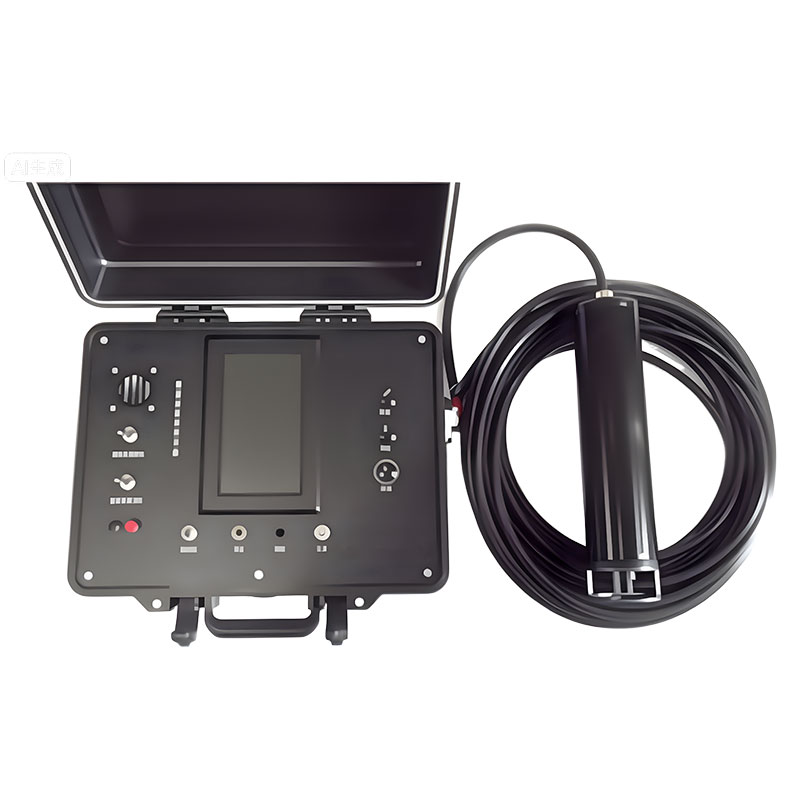 DIVER 101
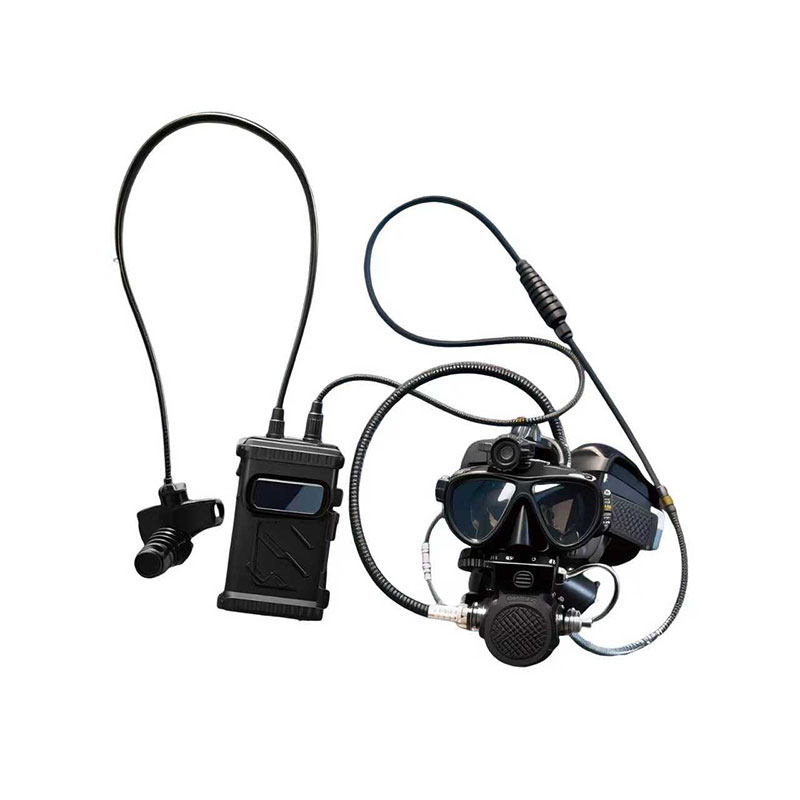 DIVER 102
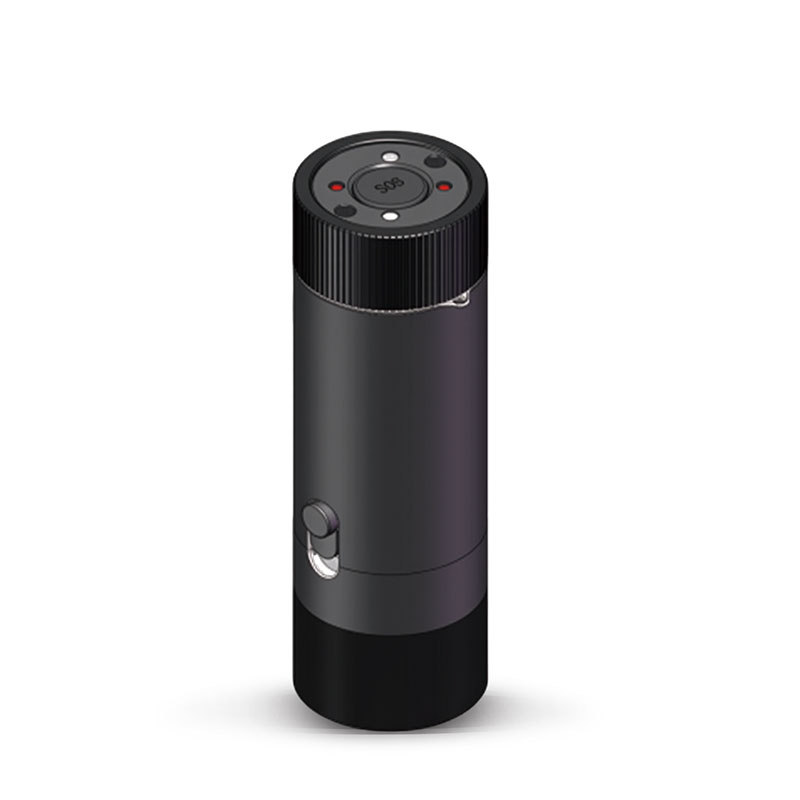 DIVER 103
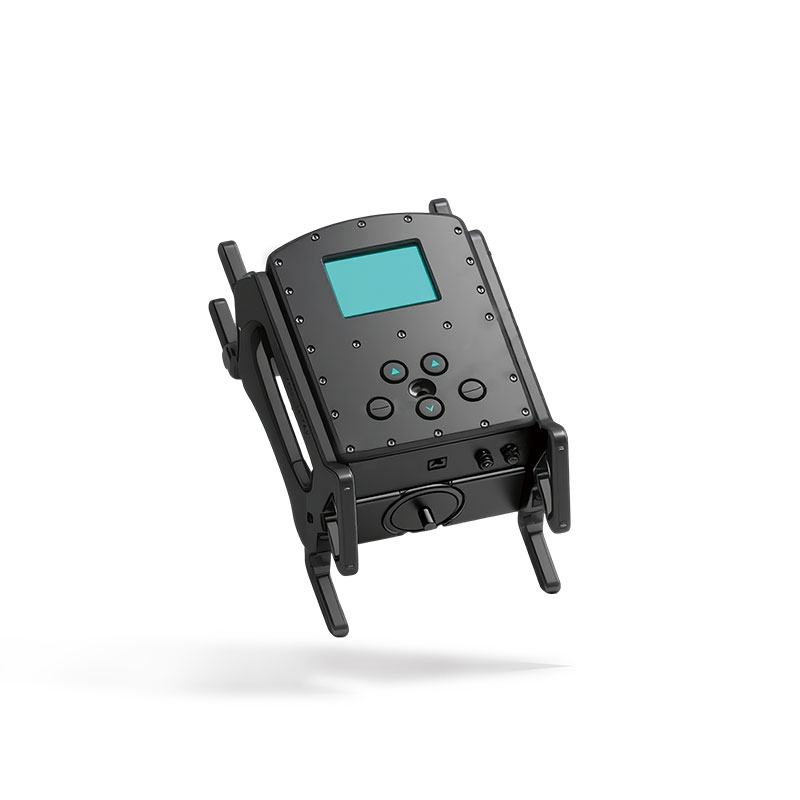 DIVER 104
 DIVER 105
 DIVER 106
 SLLR3000
 SLLR905
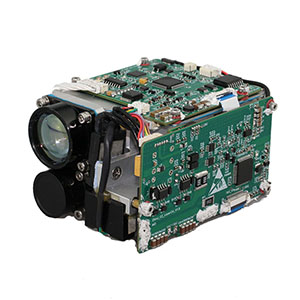 SLLD25
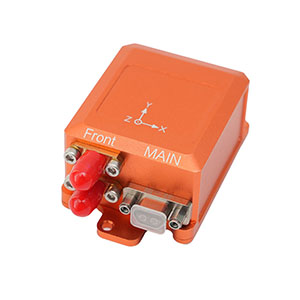 160M
160M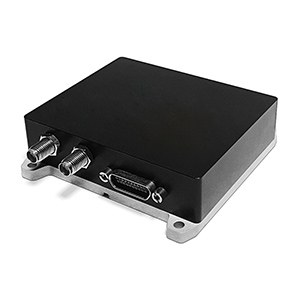 170M
170M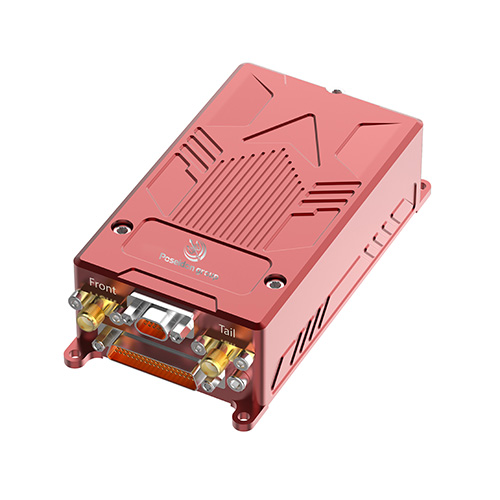 SLFC-70
 SLAF280
 MR360
MR360